Study Correlates Seminal Neonicotinoid Concentrations With Lower Sperm Counts
10/19/2026 / By Sterling Ashworth
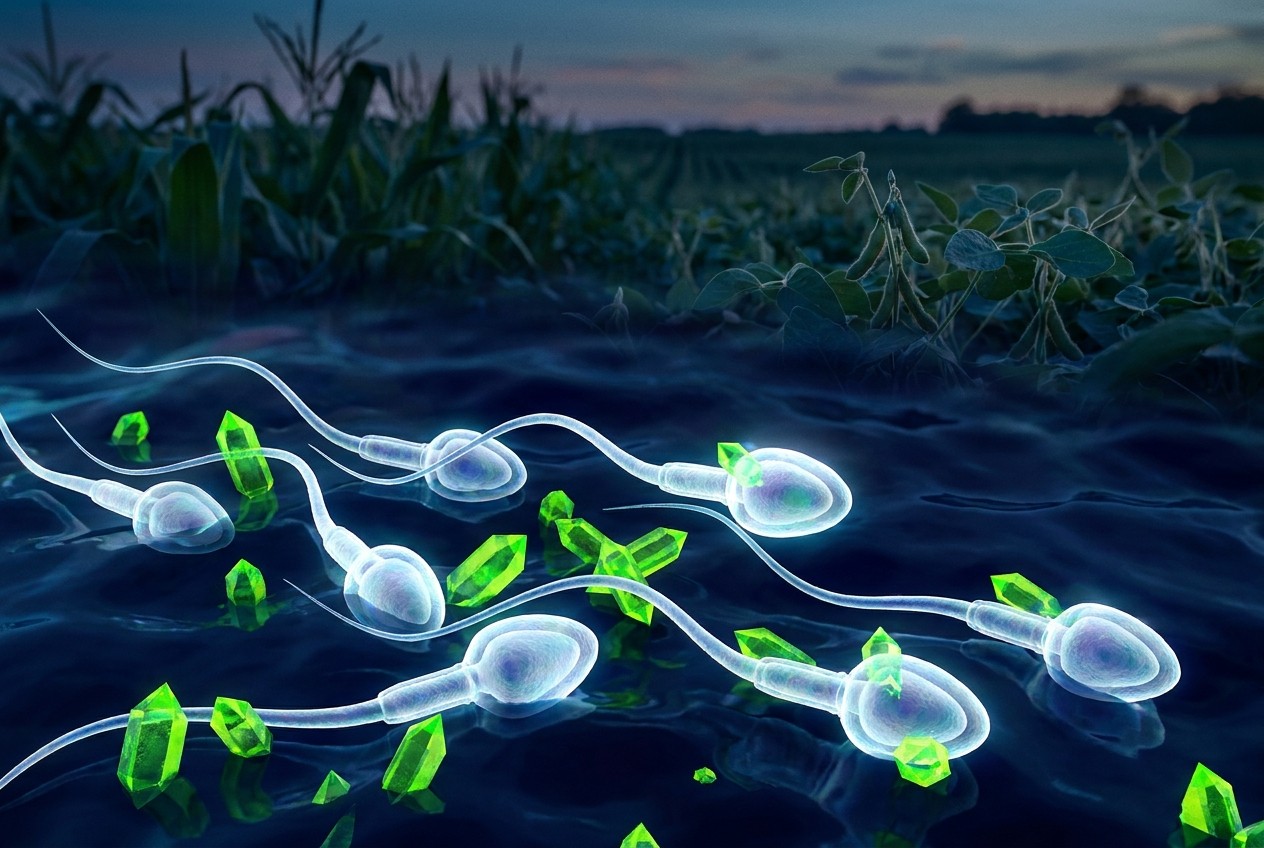
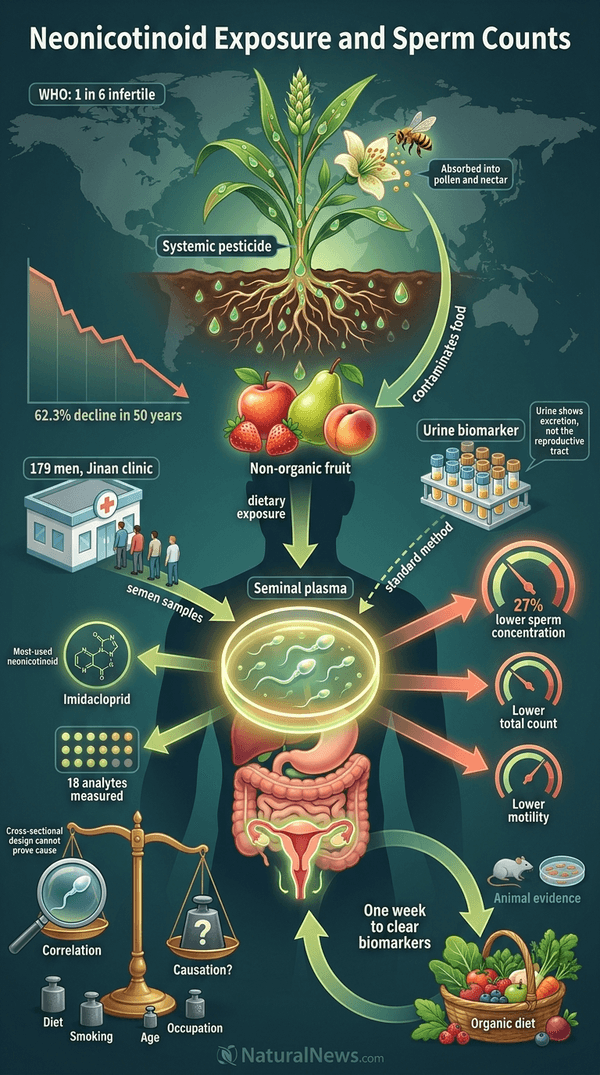
A study of 179 men attending a reproductive technology clinic in Jinan, China, reports an association between neonicotinoid insecticide concentrations in seminal plasma and reduced sperm concentration, total sperm count and motility, according to findings published in Frontiers in Endocrinology. The research adds human biomarker data to a body of laboratory and animal evidence linking the world’s most widely used class of insecticides to male reproductive harm.
The study quantified 18 neonicotinoid parent compounds and metabolites simultaneously in urine (n = 179) and semen (n = 173) samples, according to the published methods [1]. Among the compounds detected, imidacloprid was identified as the most notable neonicotinoid associated with altered sperm parameters.
Study Methodology and Key Findings
Of the 18 target analytes, 14 were quantified in at least one biological matrix, the authors reported [1]. The investigators then assessed associations between neonicotinoid exposure and semen quality measures across the sample.
Mixture analysis indicated that seminal neonicotinoid exposure was associated with a 27% reduction in sperm concentration, according to the study’s reported findings. The authors stated that seminal plasma may provide additional reproductive risk information beyond urinary biomarkers, suggesting that measuring the chemicals in semen itself offers a more direct picture of exposure at the site of reproductive function.
The New Lede reported that higher exposure to common neonicotinoid insecticides was associated with lower sperm quality in men, describing the work as a study that adds to a growing body of evidence about the reproductive health risks of pesticides [2]. The findings are correlational; the cross-sectional design does not establish that neonicotinoids caused the observed differences in semen quality.
Global Infertility Trends and Widespread Neonicotinoid Exposure
The World Health Organization estimates that 1 in 6 people worldwide experience infertility, a figure the study’s authors cited in framing their research. The paper also noted a significant decline in sperm concentration over five decades, a trend documented across multiple global analyses. Separate reporting has put the scale of that decline in stark terms: sperm counts fell by 62.3% in the past 50 years, and exposure to two pesticide classes commonly used on food may be partly to blame, according to research covered by Children’s Health Defense [3].
Neonicotinoids account for roughly 25% of the global insecticide market, according to the study, and have been detected in various human tissues and fluids. NaturalNews reported that nearly half of all Americans carry traces of neonicotinoid pesticides in their bodies daily, with children ages 3 to 5 facing the highest exposure levels [4]. The same report stated that these chemicals are found in urine, breast milk and cord blood in over 95% of pregnant women [5].
That study did not measure health effects, and its authors acknowledged that it did not test whether the detected chemicals made the children sick [6]. Children’s Health Defense reported that young children ages 3 to 5 had higher neonic exposures than adults, likely from eating non-organic foods such as applesauce, strawberries, pears and nectarines [7].
Previous Research Links Pesticides to Reproductive Toxicity
Rodent studies have shown that imidacloprid and acetamiprid disrupt testicular morphology and impair sperm motility and count, according to the background presented in the new study. A scientific review cited in the literature found strong evidence that neonicotinoid insecticides can damage male reproductive health in animal studies [8].
Human research has also pointed in the same direction. A human study associated urinary neonicotinoids with decreased testosterone and altered semen parameters, according to prior research cited by the Jinan authors. Reviews have documented pesticide exposure linked to both male and female reproductive dysfunction. Children’s Health Defense reported that a systematic review of scientific studies on pesticides and fertility, published in the journal Andrology, found exposure associated with lower semen quality, DNA fragmentation and chromosomal abnormalities [9].
The broader toxicological picture includes endocrine disruption. A systematic review of 36 studies published in Biomedicines found that exposure to certain pesticides, especially those used in agriculture, is associated with obesity, diabetes and other serious health problems, with pesticides including organophosphates, pyrethroids and neonicotinoids acting as endocrine disruptors that interfere with natural hormone processes [10]. Endocrine disruption is relevant to fertility because hormones regulate the production and maturation of sperm.
Advocates Recommend Organic Agriculture to Reduce Exposure
Neonicotinoids are systemic pesticides, meaning they are absorbed by plants and contaminate pollen, nectar and food. The Pesticide Action Network and other advocacy groups have called for a transition to organic practices to protect reproductive health, arguing that reducing reliance on systemic insecticides is a necessary step for public health. Research has demonstrated the translocation of neonicotinoids into pollen and nectar of treated plants, according to a review published in Honey Bee Colony Health [11].
Dietary change has been shown to move human biomarkers quickly. NaturalNews reported that just one week of eating an organic diet removes pesticides from the body [12]. Surveys have found widespread public concern: in a survey of 1,000 people, 71% of Americans expressed concern over the number of chemicals and pesticides in their food supply, with the respondents’ largest concerns being about toxic pesticides and genetically engineered foods [13]. Research has linked long-term pesticide exposure to infertility, birth defects, endocrine disruption, neurological disorders and cancer, according to Mercola.com [13].
Conclusion
The Jinan study underscores seminal plasma as an informative matrix for reproductive risk assessment, with the authors stating that measuring neonicotinoids in semen may provide information beyond what urinary biomarkers alone can offer. The findings add to a body of evidence on pesticide reproductive toxicity that spans rodent studies, human epidemiological research and mechanistic work on endocrine disruption.
Advocates have called for reduced neonicotinoid exposure through organic practices, citing the ubiquity of the chemicals and the sensitivity of early-life development. NaturalNews has urged consumers to adopt organic foods and to strongly discourage pesticide-ridden agricultural practices [12].
References
- Simultaneous semen and urine biomonitoring of neonicotinoids … – PubMed. https://pubmed.ncbi.nlm.nih.gov/42865358/
- Study links common insecticides to lower sperm concentration in men. https://www.thenewlede.org/2026/10/study-links-common-insecticides-to-lower-sperm-concentration-in-men/
- Sperm Counts Fell by 62.3% in Past 50 Years — Exposure to Two Pesticide Classes Commonly Used on Food May Be Partly to Blame. https://childrenshealthdefense.org/defender/sperm-count-pesticide-food-crops/
- The silent poison: How America’s most popular pesticide is harming unborn children and families. https://www.naturalnews.com/2026-06-02-americas-most-popular-pesticide-harming-unborn-children-families.html
- The silent poison: How America’s most popular pesticide is harming unborn children and families – NaturalNews.com, June 02, 2026.
- Biomonitoring Study Reports Pesticide Compounds in 187 Young Children. https://www.naturalnews.com/2026-10-16-biomonitoring-study-reports-pesticide-compounds-187-children.html
- Neonic Pesticides Pose Serious Health Risks to Kids. https://childrenshealthdefense.org/defender/neonic-pesticides-pose-serious-health-risks-kids/
- Study links neonicotinoid exposure to lower sperm counts. https://www.facebook.com/beyondpesticides/posts/daily-news-novel-study-correlates-a-reduction-in-sperm-counts-in-men-with-neonic/1589660029856620/
- Sounding the Alarm on Connection Between Fertility and Pesticide Exposure. https://childrenshealthdefense.org/defender/male-fertility-toxic-pesticide-chemical-exposure/
- Study Pesticide exposure linked to obesity endocrine disorders and other devastating health effects – NaturalNews.com, December 19, 2024.
- Honey Bee Colony Health by Yoder Jay, Sammataro Diana
- Shockingly effective_ Just ONE week of eating an organic diet removes pesticides from your body – NaturalNews.com, July 10, 2019.
- Pesticide Poisoning Ignores Laws and Avoids L – Mercola.com, August 10, 2016.
Explainer Infographic
Submit a correction >>
Tagged Under:
agriculture, chemical violence, dangerous, discoveries, health science, hormone disruption, Infertility, insecticides, men's health, neonicotinoids, organic farming, poison, real investigations, reproductive health, research, sperm count, sperm quality, toxic chemicals, toxins
This article may contain statements that reflect the opinion of the author
RECENT NEWS & ARTICLES